Muthu Kumaran V
Published 2026-06-09 • 7 min read
When I started my business in 2009 out of a borrowed garage in Windsor, I had one van and a phone number. I also had a simple rule. Figure out how the job is done before you pick up the wrench.
A lot of website design company owners do the opposite. They start coding before they even know what the client wants to sell.
That is why so many website projects end up six months late and three times over budget.
If you want to know how a website is built properly, here is the direct answer.
The professional website development process follows a strict 7-step lifecycle: Information Gathering, Sitemap & Planning, UI/UX Design, Development (Coding), Content Assembly, Quality Assurance (Testing), and Launch & Maintenance.
Let's lift the hood and look at how the machinery actually works.
---
1. Information Gathering & Discovery
Before we touch a single line of code, we need to talk. We need to know who your customers are, what they want, and why they should choose you over the other guy.
In my franchise days, the training wasn't about how to fix a tap. It was literally scripts for turning ₹5,000 jobs into ₹50,000 packages. Upselling. Phantom charges.
I walked away from that after five years because I believe in honest numbers.
Discovery is where we agree on the scope and get the price in writing. No surprises. No hidden extras.
---
2. Planning & Strategy (The Sitemap)
Think of a sitemap as the plumbing blueprint for your house. You do not install the bathroom pipes before deciding where the toilet is going.
We map out every page of your site, showing how visitors will navigate from a Google search to your contact form. This is where we choose the tech stack, like deciding between a static website vs dynamic website.
---
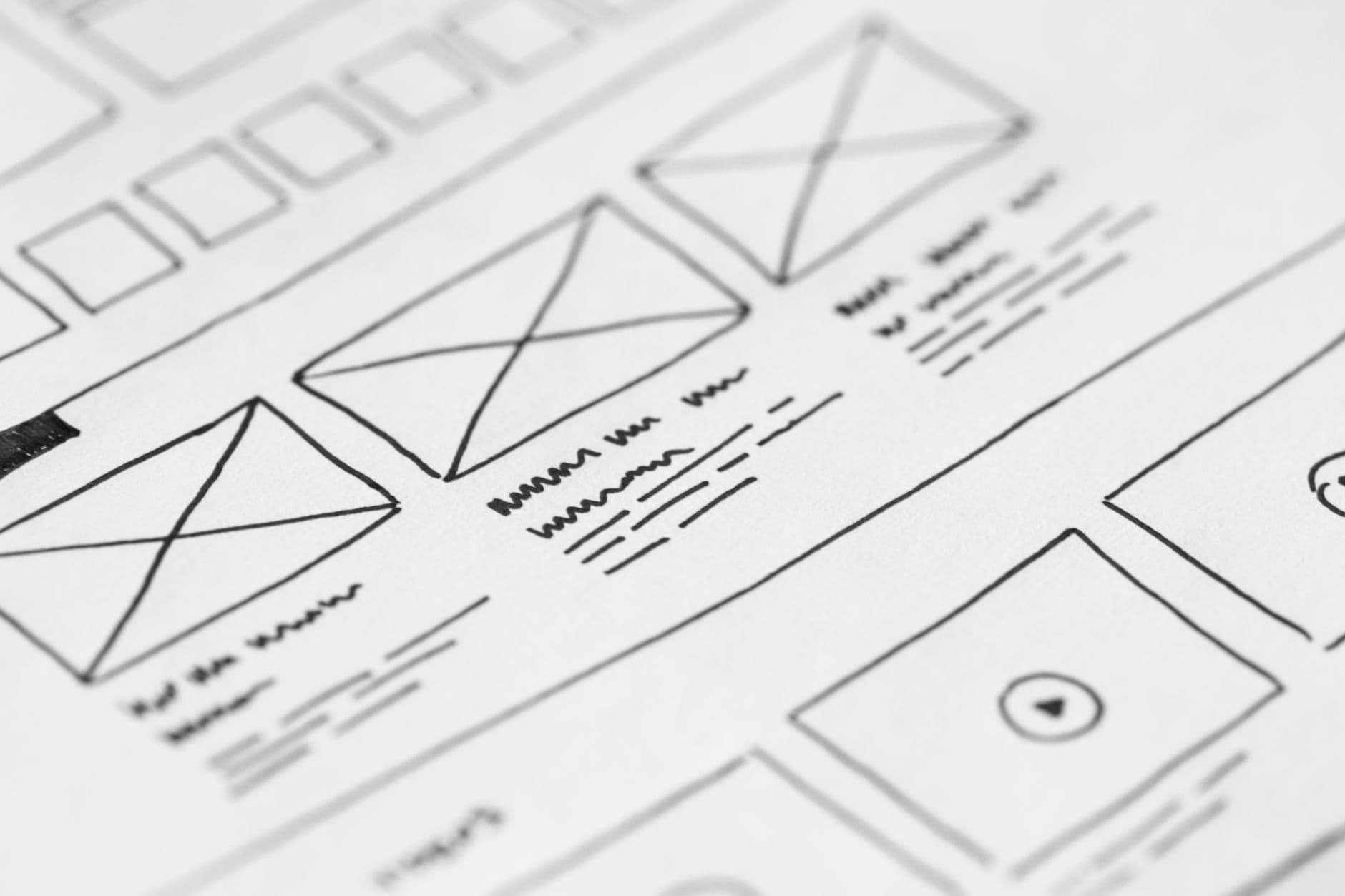
3. UI/UX Design (Figma Mockups)
Next, we design the visuals. This is where a professional website development company separates itself from template builders.
We design custom mockups in Figma, showing you exactly how the layout, typography, and gold accents will look. You review the mockups, request changes, and approve the design before we start coding.
---
4. Development (The Code)
This is the technical heart of the website development process.
Our frontend developers write clean, responsive code (HTML, CSS, React) to turn the designs into interactive screens. Meanwhile, the backend developers set up databases, form routing, and CRM integrations.
---
5. Content Creation & SEO Curation
A website without words is just a pretty picture.
We write the copy, optimize the headings, and inject your target keywords. We make sure the primary keyword is in the first 100 words, and write direct answers to common customer questions.
---
6. Testing & Quality Assurance (The Aerator Job)
Let me tell you about the aerator job.
I was once called to a house where the owner complained of "zero water pressure." I unscrewed the tap mesh (the aerator), rinsed it under the faucet, and the pressure was back in 90 seconds. I had to charge my call-out fee because that is the rule, but it taught me a valuable lesson.
Small details block big systems.
In website development, testing is where we clean the mesh. We test the site on iPhones, Androids, Safari, Chrome, and Firefox. We run speed tests to ensure your page loads in under 2 seconds. If a 10MB hero image is slowing down the site, we compress it.
---
7. Launch & Ongoing Maintenance
Once everything is 100/100, we push the site live to a production server (like Vercel or Cloudflare Edge) and connect your domain.
But launching is just the start. Web servers need maintenance. Plugins need updates. Security logs need monitoring.
That is why we offer website maintenance packages to keep your business running smoothly while you focus on work.
---
Rule of thumb for the web process
If a web development company in Chennai starts designing your homepage before showing you a sitemap, stop the project. They are building a house without a foundation.
Give us a call at Menarc. We follow a clean, transparent process, show you prototypes at every milestone, and deliver exactly what we promise.
Straight Answers (FAQ)
What is website development process?
It is the structured sequence of steps required to build a website from a raw concept to a live server. It includes discovery, sitemap planning, UI design, coding, testing, and deployment.
Why is a structured website development process important?
A structured process prevents scope creep, ensures code quality, and guarantees the site launches on time. It avoids the chaos of changing designs halfway through coding.
What is the cost involved in the website development process?
The cost depends on the process efficiency. Brochure sites cost ₹25,000 and take 2 weeks, while custom Next.js systems cost ₹1,200,000+ and take 4 to 8 weeks.
What are the best practices for the web development lifecycle?
Best practices include defining a clear sitemap upfront, testing mobile layouts on real devices, and optimizing PageSpeed scores to 90+ before launch.
How can businesses benefit from professional website development?
A professional site built with a clean process rank higher on Google, loads faster, and converts search traffic into paying leads automatically.
Written by Muthu Kumaran V
Muthu Kumaran V is the founder and lead automation architect at Menarc Solutions. With extensive experience engineering high-performance web systems and automated workflow pipelines, he designs fast, static web infrastructure that scales seamlessly without recurring hosting fees or system security vulnerabilities.
Need custom web systems or workflow automations in Tamil Nadu?